
Types of Solar Panels Explained: Choosing the Best Option for Your Home

1. Monocrystalline Solar Panels

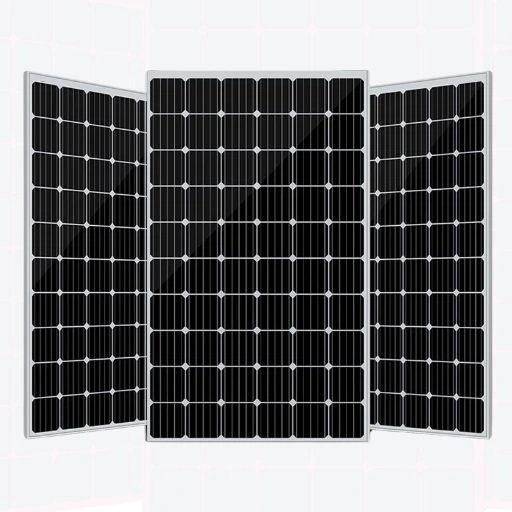
Monocrystalline solar panels are crafted from a single, pure silicon crystal. They are the most efficient and longest-lasting type of solar panel available, making them highly sought after for residential and commercial applications.

Advantages:
  • High Efficiency: Monocrystalline panels boast the highest efficiency rates, often exceeding 20%, meaning they generate more electricity per square foot than other panel types.
  • Space-Efficient: Due to their higher efficiency, fewer panels are required to generate the same amount of energy, making them ideal for installations with limited roof or ground space.
  • Durability: These panels have a longer lifespan compared to other types, maintaining a high performance for decades.
  • Aesthetic Appeal: They feature a sleek, black appearance that blends well with most modern building designs.
Ideal for:
  • Residential Rooftops: Especially where space is limited, such as small homes or urban areas.
  • Commercial Installations: Businesses seeking long-term, high-efficiency solar solutions.
  • Areas with Limited Installation Space: Monocrystalline panels maximize energy production on smaller surfaces.
 

2. Polycrystalline Solar Panels

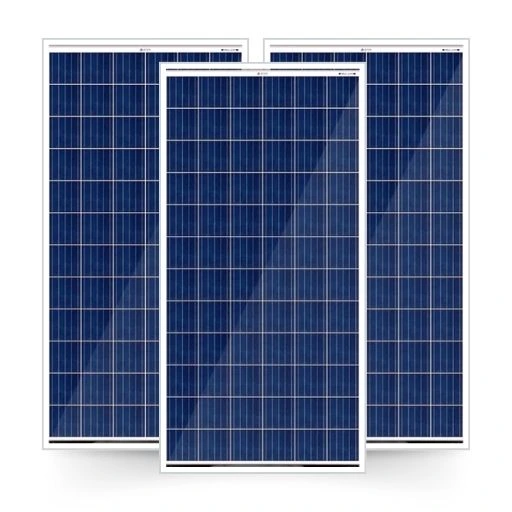
Polycrystalline solar panels are made from silicon crystals that are melted and formed into panels. These panels are slightly less efficient than monocrystalline ones but offer significant cost advantages.
Advantages:
  • Cost-Effective: Polycrystalline panels are less expensive to manufacture, making them more affordable for budget-conscious consumers.
  • Good Performance: While their efficiency is lower (typically between 15% and 17%), they still provide solid energy output, particularly in direct sunlight.
  • Easier Manufacturing Process: Their simpler production process results in lower costs, making solar energy accessible to more people.
Ideal for:
  • Large Solar Farms: Due to their lower cost, polycrystalline panels are a great choice for large-scale solar installations where space isn’t a constraint.
  • Budget-Friendly Residential and Commercial Systems: For homes and businesses looking to go solar on a budget.
  • Installations with Ample Space: Best suited for projects where space is abundant, allowing more panels to compensate for the lower efficiency.

3. Thin-Film Solar Panels

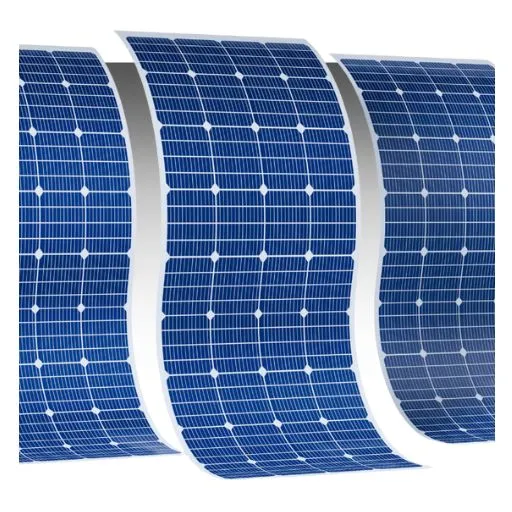
Thin-film solar panels are a unique type of solar technology that uses a variety of materials like cadmium telluride (CdTe) and amorphous silicon (a-Si) instead of silicon crystals. They are much thinner, more flexible, and lighter than traditional panels, making them suitable for unconventional applications.

Advantages:
  • Lightweight and Flexible: Thin-film panels can be installed on surfaces that are not suitable for rigid, traditional panels, such as curved or flexible areas.
  • Good Performance in Low-Light and High-Temperature Conditions: These panels excel in environments with less sunlight and hotter climates, where other panels may struggle.
  • Versatile Applications: Their lightweight nature and flexibility make them ideal for special-use cases like building-integrated photovoltaics (BIPV), where solar panels are integrated into building materials like windows or facades.
Ideal for:
  • Large-Scale Industrial Applications: Perfect for expansive, flat surfaces such as factories and warehouses.
  • Building-Integrated Photovoltaics (BIPV): Thin-film panels are often used in innovative architectural designs where solar energy is built into the structure itself.
  • Extreme Temperatures: Areas with high heat or low sunlight can benefit from the efficiency of thin-film technology.